Tanks Drained Before Sediment Hardens
Water heater flushing in Visalia for tank units tucked in garages and closets where buildup goes unnoticed
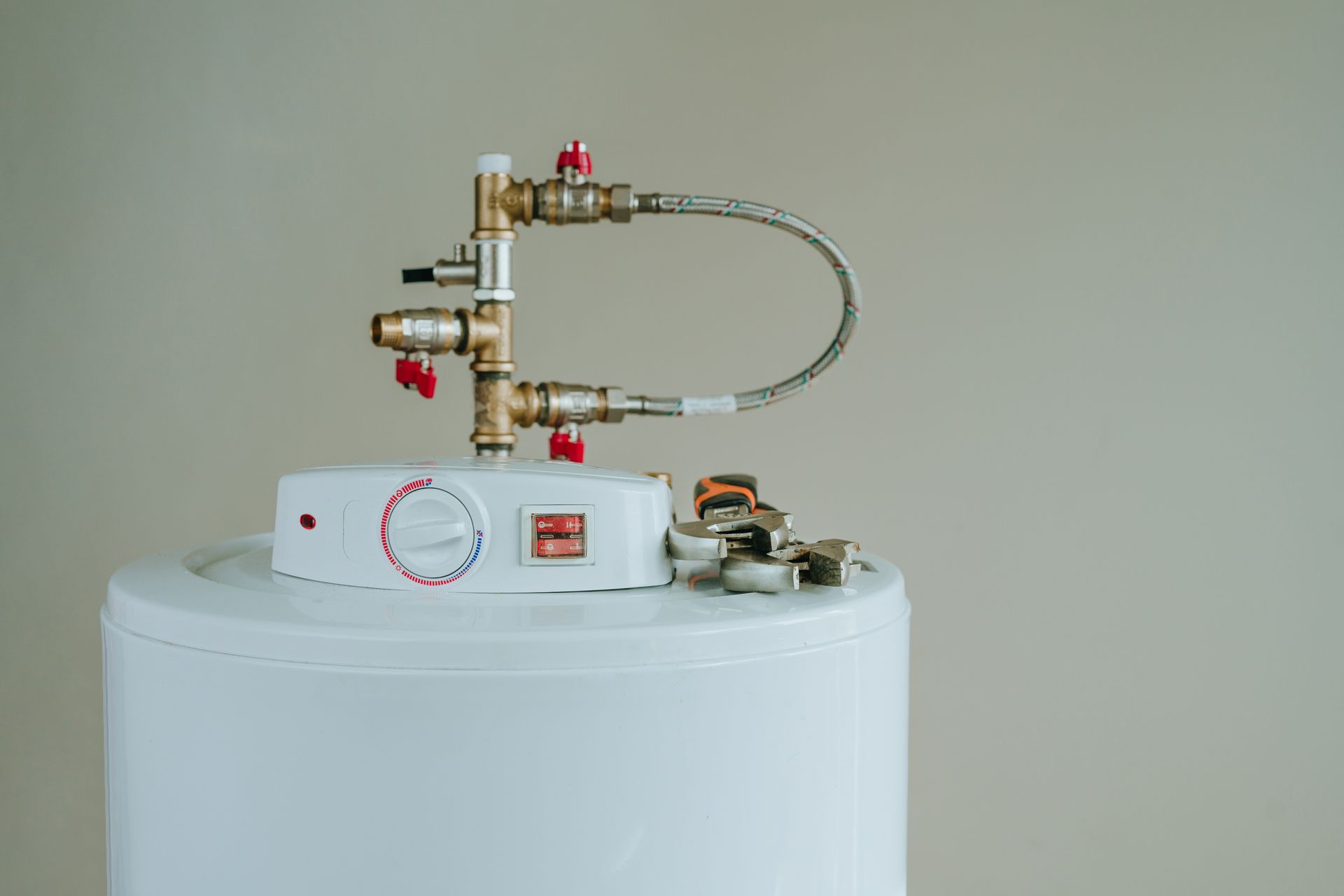
Single-story ranch homes in Visalia and Tulare often house tank water heaters in garages or hallway closets, and sediment settles at the bottom of those tanks every month the unit heats water, layer after layer, until the buildup insulates the burner or element and shortens the tank's useful life. RHB Home Maintenance flushes water heaters for homes and HOA properties across Tulare County, draining sediment from the tank and checking the temperature and pressure relief valve and fittings for corrosion during the same visit. You schedule the service because recovery time has slowed, the unit rumbles during heating cycles, or years have passed since the last flush and you want to extend tank life.
The technician shuts off power or gas and the cold water supply, connects a hose to the drain valve at the base of the tank, and opens the valve to flush sediment until the discharged water runs clear. The temperature and pressure relief valve is tested to confirm it opens and reseats properly, and all visible fittings are inspected for corrosion or seepage. Anything that needs replacing, such as a leaking drain valve or a corroded relief valve, is quoted before the work proceeds.
Arrange a flushing appointment to remove sediment and check the condition of the tank and fittings.
Why Sediment Builds Up and What Flushing Accomplishes
Municipal water carries dissolved minerals, and when that water is heated inside the tank, the minerals precipitate and settle as sediment on the tank floor. Over months and years, the layer thickens and hardens, creating an insulating barrier between the burner or heating element and the water above. The heater runs longer to reach the setpoint temperature, energy costs rise, and the steel at the bottom of the tank is exposed to higher sustained heat, which accelerates corrosion and eventually leads to a leak. Flushing removes the loose sediment before it compacts, and regular flushing keeps the heating surface in direct contact with the water.
After flushing, the water heater recovers faster because the burner or element heats water directly instead of warming a sediment layer first, and you may notice the unit runs more quietly since there is less material on the tank floor to rumble and pop during heating. RHB Home Maintenance includes water heater flushing as part of the routine plumbing checks offered to a local property portfolio, and the same crew handles this maintenance across managed units in Downtown Visalia and throughout the service area.
The service drains sediment, tests the relief valve, and inspects fittings, but it does not replace the anode rod, repair a leaking tank, or address issues with the gas valve or thermostat unless those are identified during the visit and quoted separately.
Questions Property Owners Ask About Flushing
The questions below cover what happens during the flush and how sediment affects the tank over time.
How is sediment removed from the tank?
A hose is connected to the drain valve at the base of the water heater, the valve is opened, and water is flushed out until it runs clear, carrying sediment with it, and the process may be repeated if heavy buildup requires multiple drain cycles.
What is checked in addition to draining the tank?
The temperature and pressure relief valve is manually opened to confirm it releases water and reseats without leaking, and all visible fittings and connections are inspected for corrosion, mineral buildup, or seepage that could indicate a developing leak.
Why do water heaters in older Visalia homes accumulate sediment faster?
Homes built decades ago may still have original galvanized supply lines or higher mineral content in the local water, both of which contribute more sediment per gallon heated, and that buildup becomes a maintenance consideration rather than an occasional event.
What happens if the drain valve will not open or is clogged?
If sediment has hardened around the valve or the valve itself is corroded shut, forcing it can break the fitting, so the technician will assess whether the valve can be cleared or needs replacement before the flush continues.
How often should a tank water heater be flushed?
Flushing frequency depends on water hardness and heater use, but most manufacturers recommend annual flushing to prevent sediment from compacting, and properties with high mineral content or heavy hot water demand may benefit from flushing twice a year.
RHB Home Maintenance also flushes water heaters in Tulare, Exeter, Farmersville, Lindsay and Woodlake. Call RHB Home Maintenance at (559) 623-1878 to schedule a flush and prolong the life of your tank water heater.