Coverage That Works in Every Room
Smoke and carbon monoxide detector replacement in Visalia for single-story ranch homes with detectors past their rated service life
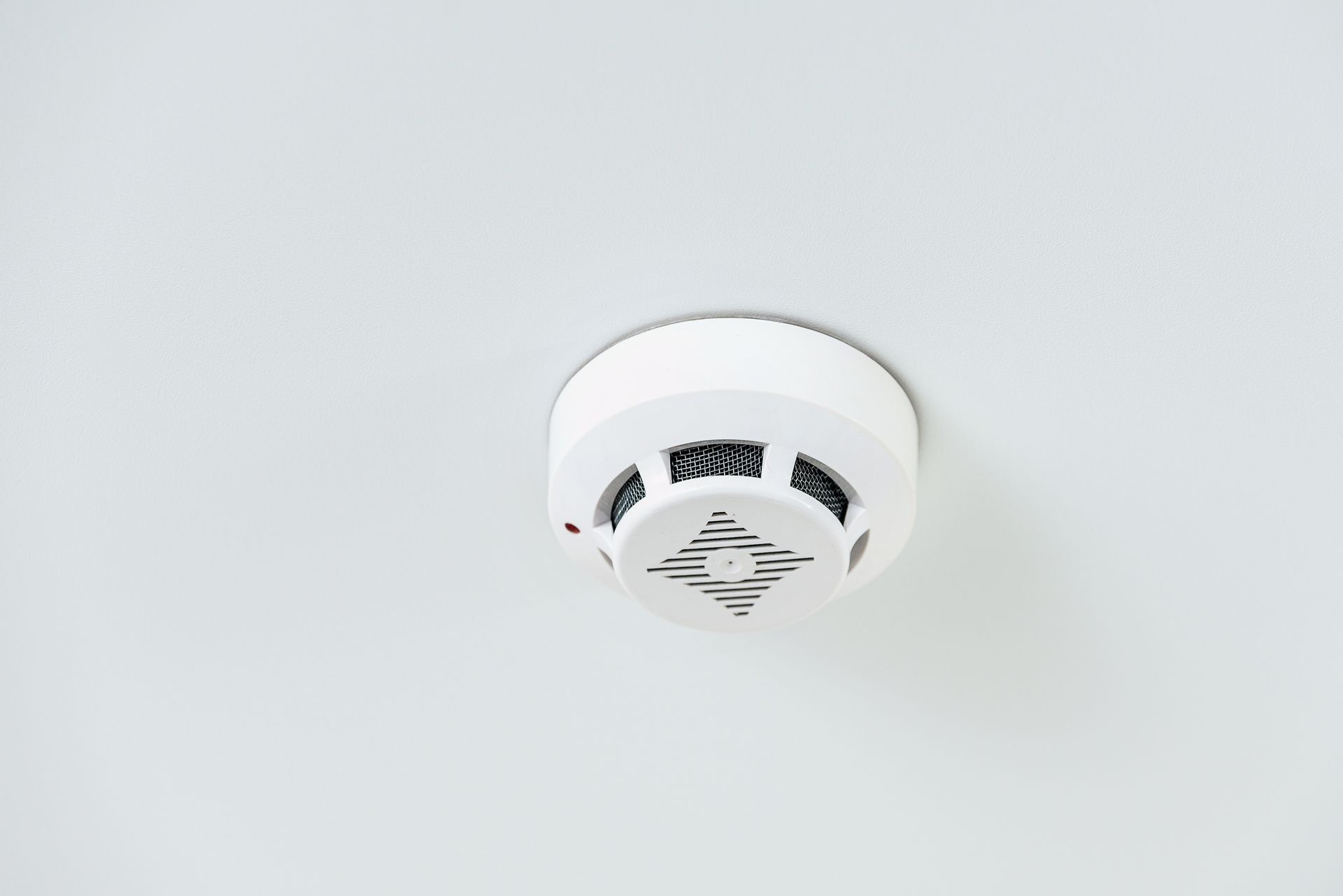
RHB Home Maintenance replaces smoke and carbon monoxide detectors in homes and HOA properties throughout Visalia and nearby Tulare, Hanford, and Porterville. Many single-story ranch homes in Northeast Visalia and Tulare have detectors that are years past their rated life, and a hallway-only layout can leave bedrooms without coverage. The technician checks each existing detector, replaces units that have expired or failed the test, and mounts new detectors at the recommended spots in hallways and near sleeping areas so each room has working coverage.
Each detector has a manufacture date stamped on the back, and most units are rated for ten years of service. After that, the sensor degrades and the unit may not alarm even when smoke or carbon monoxide is present. The crew notes the age and condition of each detector, then replaces units that have expired or failed the test button. New detectors are mounted in hallways, near bedroom doors, and in rooms with gas appliances or attached garages, and each one is tested before the visit ends. You should tell the crew if the home has gas appliances or an attached garage so the placement can account for them.
Schedule a detector inspection to confirm that every room has working coverage.
Where Detectors Are Mounted and Why Location Matters
Smoke rises and carbon monoxide mixes with room air, so placement determines whether a detector catches a problem before it becomes dangerous. Smoke detectors are mounted on the ceiling or high on the wall in hallways and near sleeping areas, because smoke collects at the ceiling first. Carbon monoxide detectors are mounted at breathing height, usually on a wall in rooms with gas appliances, furnaces, or water heaters, or near doors leading to attached garages.
After new detectors are installed, you will notice they respond to the test button immediately, and battery-operated units show a steady indicator light. Hardwired detectors connected to the home's electrical system will have a backup battery installed and tested, so the detector stays active during a power outage. Interconnected detectors will trigger every unit in the home when one detects smoke or carbon monoxide.
Older homes with only one detector in the hallway do not meet current safety standards, which call for a detector in each sleeping area, in hallways outside sleeping areas, and on each level of the home. Adding detectors to meet those standards is part of the replacement visit when needed.
Common Questions About This Service
Homeowners and property managers often ask about detector lifespan and placement before scheduling a replacement, especially in homes where the original detectors have been in place since the house was built.
How do you know when a detector has expired?
The manufacture date is stamped on the back of the unit, and most smoke and carbon monoxide detectors are rated for ten years. If the unit is older than ten years or does not have a readable date, it should be replaced. Some newer detectors have a built-in end-of-life alarm that chirps when the sensor has expired.
What is the difference between a smoke detector and a carbon monoxide detector?
Smoke detectors sense particles in the air produced by combustion, while carbon monoxide detectors sense the gas itself. Homes with gas appliances, furnaces, or attached garages need both types, because carbon monoxide is odorless and cannot be detected without a sensor.
Why do some detectors chirp even when the battery is new?
Chirping usually means the detector has reached the end of its rated life and the sensor has expired, or that dust or insects have interfered with the sensor. Cleaning the detector with compressed air sometimes stops the chirping, but if the unit is more than ten years old, replacement is the only reliable fix.
How are hardwired detectors replaced?
The technician turns off power to the circuit, disconnects the old detector from the electrical box, and connects the new detector using the same wiring. A backup battery is installed in the new unit, and power is restored once the detector is mounted and tested. The home does not lose detector coverage during the replacement.
What happens if the home has an attached garage or gas water heater?
Carbon monoxide detectors are added in rooms with gas appliances and near doors leading to attached garages, because those areas can allow carbon monoxide to enter the living space. Placement follows manufacturer recommendations and local building codes.
RHB Home Maintenance is a local team run by an owner who manages roughly a thousand properties and around sixty HOAs, so detector replacement is handled alongside your other safety-related home maintenance. RHB Home Maintenance also replaces smoke and carbon monoxide detectors in Tulare, Exeter, Farmersville, Lindsay, and Woodlake. Call (559) 623-1878 to arrange a detector inspection and replacement.